


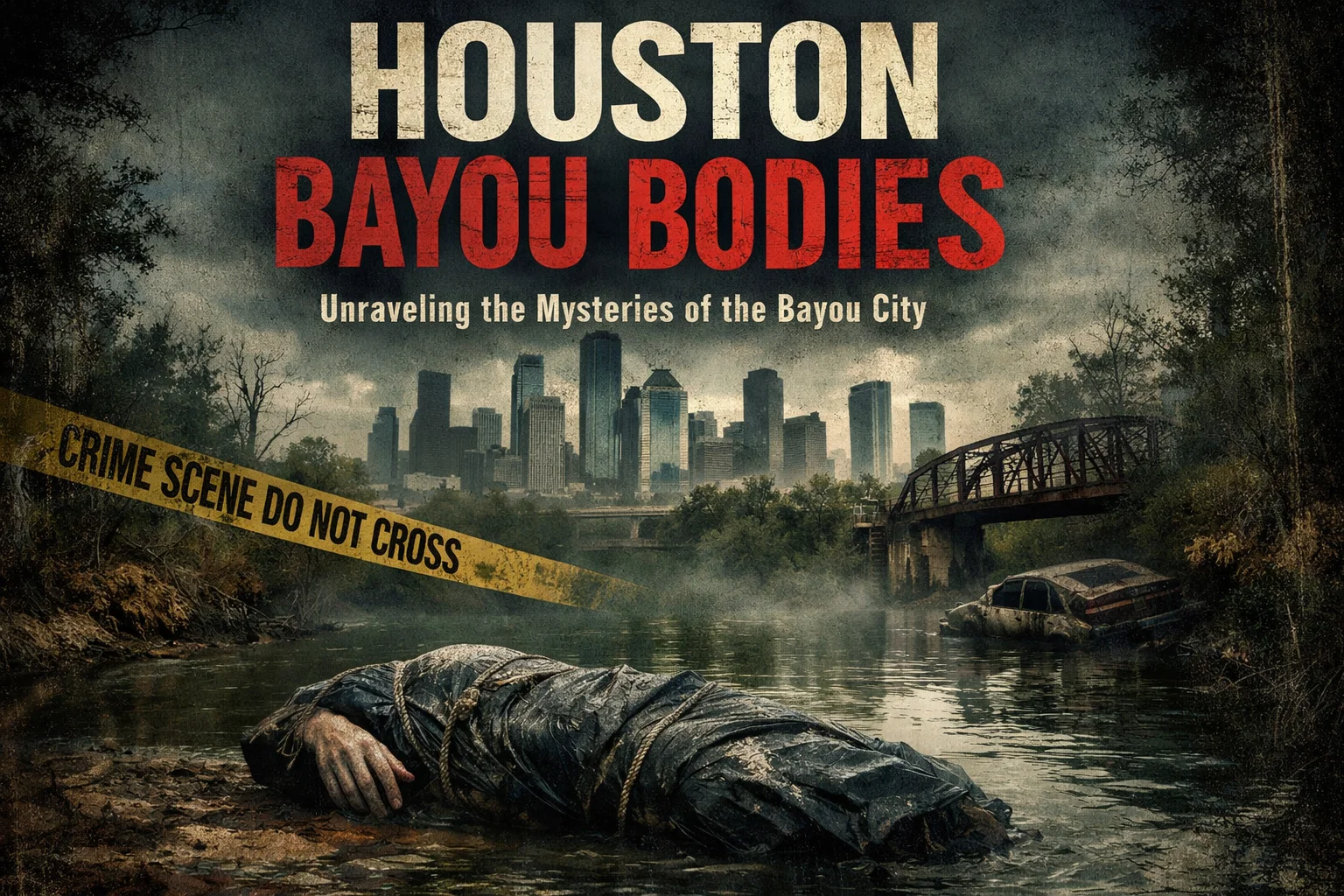
Hey there, if you’re like me and you’ve been scrolling through the news or social media lately, you’ve probably come across some chilling stories about Houston bayou bodies. It’s one of those topics that grabs your attention because it’s equal parts tragic and intriguing. Houston, often called the Bayou City, has this vast network of waterways that snake through the urban landscape, and unfortunately, they’ve become the final resting place for far too many people over the years. We’re talking about discoveries that spark rumors, fuel conspiracies, and leave families searching for answers. In this deep dive, we’ll explore the history, the recent spikes, the real causes behind these incidents, and what it all means for the city.
But let’s not jump straight into the gloom. First, understand that Houston’s bayous aren’t just scenic spots for joggers and kayakers—they’re vital arteries for drainage in a city that’s prone to heavy rains and flooding. When bodies turn up in these waters, it’s often a mix of accident, misfortune, and sometimes foul play. The term “Houston bayou bodies” has become shorthand for these unsettling events, and with numbers climbing in recent years, it’s no wonder people are talking. We’ll break it down step by step, keeping things real and respectful, because behind every statistic is a human story.
The History of Houston’s Bayou System
Houston’s bayou system is like the city’s hidden backbone, shaping everything from its founding to its modern-day flood defenses. Back in the 1830s, when the Allen brothers founded Houston, they chose the spot at the confluence of Buffalo Bayou and White Oak Bayou because it promised easy access to the Gulf of Mexico. These slow-moving waterways, formed thousands of years ago during the last Ice Age, have always been essential for transportation, commerce, and yes, even waste disposal in the early days. Over time, as the city grew, the bayous were straightened, dredged, and engineered to handle stormwater runoff, turning them into a massive drainage network spanning over 2,500 miles.
Think about it: without these bayous, Houston wouldn’t exist as we know it. They’re why the city earned the nickname “Bayou City.” But this history isn’t all rosy. In the early 20th century, pollution from industries and untreated sewage turned them into health hazards. Major floods, like the one in 1935, prompted the creation of reservoirs and channels to tame the waters. Today, bayous like Buffalo, Brays, White Oak, and Sims serve dual purposes—recreation and flood control. Yet, their steep banks, strong undercurrents, and proximity to urban areas make them dangerous, especially during heavy rains when water levels rise fast.
Historically, bodies have been found in these waters since the city’s inception, but records were spotty until recent decades. Old newspaper clippings from the 1800s mention drownings and accidents, often tied to the bayous’ role as escape routes or dumping grounds. As Houston expanded, so did the incidents, with peaks during economic booms when population surges brought more risks. Understanding this backstory helps explain why Houston bayou bodies aren’t a new phenomenon—they’re woven into the fabric of the city’s watery heritage.
Recent Discoveries of Bodies in Houston Bayous
Fast-forward to today, and the discoveries of Houston bayou bodies have hit record highs, making headlines and stirring up public concern. In 2025 alone, authorities recovered 35 bodies from various bayous, matching the tally from 2024 and marking a sharp increase from the 12-20 annual averages in earlier years. Just in December 2025, three bodies were pulled from Buffalo Bayou and Brays Bayou within days of each other, reigniting online buzz. Then, in early January 2026, another body was found in Buffalo Bayou near downtown, adding to the growing list.
These finds often start with a 911 call from a passerby spotting something unusual in the water. For instance, on December 22, 2025, police recovered two decomposed bodies—one from Buffalo Bayou near Crawford Street and another from rocks near Brays Bayou. Autopsies are pending, but the pattern is familiar: many bodies show signs of extended time in the water, complicating investigations. September 2025 was particularly grim, with six bodies discovered in just 11 days across bayous like White Oak, Greens, and Buffalo. Officials note that low water levels during dry spells make bodies more visible, but the uptick has everyone asking why now.
What’s driving this? Houston’s population boom, combined with social issues like homelessness, plays a role. Many discoveries happen in urban stretches where people live rough near the water’s edge. While each case is unique, the sheer volume—over 200 bodies since 2017—highlights a persistent problem. Families like that of Keyo Kingsley, a 32-year-old Black man found in January 2026, grieve without clear answers, as decomposition often obscures evidence. These recent Houston bayou bodies underscore the need for better awareness and resources.
Causes of Death: What the Data Reveals
When it comes to the causes behind Houston bayou bodies, the data paints a multifaceted picture, far from the sensational headlines. According to the Harris County Medical Examiner’s Office, drowning is the leading cause, accounting for nearly 40% of cases from 2017 to 2025. Often, it’s compounded by factors like alcohol or drugs—toxic effects of substances like cocaine and methamphetamine show up frequently in toxicology reports. Blunt force trauma from accidents, such as falls or vehicle crashes, is another common thread, with some bodies bearing gunshot wounds indicating homicides or suicides.
But here’s where it gets tricky: about 40% of these deaths are classified as “undetermined.” Why? Bayous are harsh environments—warm water, marine life, and decomposition accelerate evidence loss. A body submerged for days or weeks might lose key clues, making it hard to distinguish accident from foul play. For example, in 2025, eight cases involved drowning, two were suicides by gunshot, and one was a confirmed homicide. Natural causes and motor vehicle accidents round out the list, but the undetermined category fuels speculation.
Diving deeper, environmental factors play a huge role. Houston’s bayous have steep, slippery banks, and during floods, currents can sweep people away. Homeless individuals camping nearby are at higher risk, as are those with mental health or substance issues. Data from the medical examiner shows patterns: most incidents occur in central bayous like Buffalo and Brays. Understanding these causes helps demystify Houston bayou bodies, shifting focus from fear to prevention.
| Year | Number of Bodies Found | Leading Causes | Notes |
|---|---|---|---|
| 2017 | 20 | Drowning (45%), Undetermined (30%) | Baseline year for detailed records |
| 2018 | 18 | Blunt trauma (25%), Drugs/drowning (35%) | Slight dip, urban areas prominent |
| 2019 | 12 | Suicide (15%), Accident (40%) | Lowest recent count |
| 2020 | 27 | Drowning (50%), Undetermined (25%) | Spike possibly tied to pandemic stresses |
| 2021 | 16 | Homicide (10%), Natural (20%) | Return to average |
| 2022 | 20 | Drugs-related (30%), Drowning (35%) | Consistent with patterns |
| 2023 | 22 | Undetermined (45%), Accident (30%) | Rising trend begins |
| 2024 | 35 | Drowning (40%), Blunt force (20%) | Record high |
| 2025 | 35 | Undetermined (40%), Drowning (35%) | Matches 2024, recent clusters |
Demographics and Disparities in Houston Bayou Bodies
One of the most eye-opening aspects of Houston bayou bodies is the demographics—who’s affected and why. Data from 2025 shows that over half the victims were Black men, with 15 out of 35 being Black males, despite Black residents making up only about 22% of Houston’s population. White males followed with 11, Hispanic males with 3, and a few Black females. Ages typically range from 30s to 50s, pointing to vulnerabilities in middle adulthood.
Why the disparity? It’s a mix of socioeconomic factors. Many Black communities in Houston are near bayous in underserved areas with poor lighting, no barriers, and limited emergency access. Homelessness hits these groups harder, and bayous offer secluded spots but also dangers like flash floods. Former City Councilwoman Letitia Plummer has called it a “demographic crisis,” urging for a safety czar to address inequities. Black men, she notes, face higher risks due to environmental hazards in their neighborhoods.
This isn’t just numbers; it’s about real lives. Take Keyo Kingsley, found fully clothed with no trauma—his case highlights how undetermined deaths leave families in limbo. Compared to other groups, Black victims often have longer autopsy waits, up to seven months, exacerbating grief. Tackling these disparities means improving infrastructure, like adding call boxes and sensors, to make bayous safer for everyone. The story of Houston bayou bodies is incomplete without acknowledging these unequal impacts.
Debunking the Serial Killer Rumors Surrounding Houston Bayou Bodies
Ah, the serial killer theories—they’re everywhere online, but let’s set the record straight on Houston bayou bodies. Social media exploded in 2025 with claims of a “Bayou Serial Killer” after clusters of discoveries, but officials like Harris County District Attorney Sean Teare have repeatedly shut it down. “There is nothing to indicate that there is someone operating here as a serial killer,” Teare said in interviews. No common signatures, like specific wounds or patterns, link the cases.
Why the rumors? Blame the undetermined causes and rapid succession of finds, like the six in September 2025. People connect dots that aren’t there, similar to Austin’s Lady Bird Lake rumors. Houston Mayor John Whitmire echoed this in October 2025: “There is no evidence that there is a serial killer loose on the streets in Houston, Texas.” Instead, deaths stem from diverse causes—accidents, suicides, isolated homicides—without forensic ties.
Experts point to Houston’s challenges: a massive homeless population, mental health crises, and addiction issues make bayous risky. Teare noted, “We have a massive homeless problem. We have massive mental health and addiction problem. All of those things are contributing.” Debunking these myths is crucial because they distract from real solutions, like better support services. While vigilance is good, the data shows Houston bayou bodies are tragic coincidences, not a killer’s spree.
“There are many reasons for these deaths. None of them are a serial killer.” – Harris County District Attorney Sean Teare
Sunken Vehicles and Hidden Remains in Houston Bayous
Beneath the surface of Houston bayou bodies lies another layer: sunken vehicles potentially holding more remains. In 2014, Texas EquuSearch mapped 127 cars submerged in the bayous using sonar. A pilot program removed about 20, but none had bodies then. Founder Tim Miller believes the number has grown, saying, “There are more bayou bodies likely stuck in sunken cars.” Funding shortages halt removals, leaving mysteries unsolved.
How do cars end up there? Accidents during floods, chases, or intentional dumps. Bayous’ deep channels and murky waters hide them for years. Miller’s group is ready to remap and compare data, but costs are prohibitive. Recent finds, like the January 2026 body in Buffalo Bayou, remind us that not all discoveries are on the surface—some could be trapped in vehicles, decomposing undetected.
This adds complexity to Houston bayou bodies. If more cars are pulled, we might see spikes in recoveries. Miller urges action: “We’re willing to remap their locations, but funding is a major obstacle.” Addressing this could bring closure to missing persons cases, turning hidden tragedies into resolved stories.
“There are likely more bodies trapped in vehicles submerged in the city’s bayous.” – Tim Miller, Texas EquuSearch
Safety Measures and Prevention Strategies for Houston Bayous
Preventing future Houston bayou bodies starts with smart safety measures. Houston’s bayous are beautiful but hazardous, with steep concrete banks and unpredictable currents. City officials recommend barriers like fences in high-risk areas, better lighting along trails, and emergency call boxes. Community groups push for water-level sensors to alert during rises, potentially saving lives.
Education is key—campaigns targeting at-risk groups, like the homeless, teach bayou dangers. Avoid camping near edges, especially intoxicated; know escape routes. For drivers, flood-prone roads near bayous need warnings. Plummer suggests a “safety czar” to coordinate between city, county, and parks boards for unified action.
On a broader scale, addressing root causes like homelessness and mental health reduces risks. Shelters, outreach, and addiction programs could prevent many incidents. By investing in these, Houston can lower bayou death rates, making waterways safer for all.
Urban Legends and Cultural Impact of Houston Bayou Bodies
Houston bayou bodies have spawned urban legends that blend fact with folklore, captivating the city’s imagination. Tales of ghostly figures along Buffalo Bayou or cursed waters date back decades, amplified by recent discoveries. Social media turns real tragedies into viral stories, like the “Bayou Phantom” preying on the vulnerable—pure fiction, but it reflects public anxiety.
Culturally, bayous symbolize Houston’s wild side amid urban sprawl. Books, documentaries, and podcasts explore these mysteries, humanizing victims. The “Forgotten Victims of the Bayou” series highlights nearly 200 cases since 2017, urging empathy over sensationalism.
These legends impact tourism and perception—some avoid bayou parks, while others seek thrills. Balancing respect with awareness, Houston uses art installations and memorials to honor the lost, turning dark narratives into calls for change.
Comparison to Other Cities’ Waterway Mysteries
Houston bayou bodies aren’t unique; similar issues plague other watery cities. In Chicago, bodies in the Chicago River often tie to accidents or suicides, with rumors debunked like Houston’s. Austin’s Lady Bird Lake saw 11 bodies in 2023-2024, attributed to drownings near nightlife, not killers.
New Orleans’ canals mirror Houston’s disparities, with marginalized groups overrepresented. London’s Thames yields dozens annually, mostly accidents. What sets Houston apart? Its vast, untamed bayou system and flood-prone climate amplify risks.
Learning from others, Houston could adopt London’s river safety campaigns or Chicago’s barriers. Global comparisons show waterway deaths are urban hazards, not conspiracies, guiding better policies.
Conclusion
Wrapping up our exploration of Houston bayou bodies, it’s clear this is a complex issue rooted in the city’s geography, social challenges, and history. With over 200 discoveries since 2017 and spikes in recent years, we’ve seen how drownings, accidents, and undetermined causes dominate, disproportionately affecting Black men. Rumors of serial killers have been firmly debunked, shifting focus to real solutions like improved safety infrastructure and support services.
Ultimately, Houston bayou bodies remind us of the Bayou City’s vulnerabilities and strengths. By addressing disparities, funding recoveries like sunken car removals, and fostering community awareness, we can honor the lost and prevent future tragedies. Let’s turn mystery into action, making Houston’s waterways symbols of life, not loss.
FAQ
What Are Houston Bayou Bodies?
Houston bayou bodies refer to the human remains discovered in the city’s extensive network of bayous, which are slow-moving waterways essential for drainage and flood control. These discoveries have increased in recent years, with 35 bodies found in both 2024 and 2025, often sparking public concern and speculation. While each case is investigated individually, many involve tragic accidents or undetermined circumstances due to the challenging environment of the bayous.
The term has gained traction through media coverage and social discussions, highlighting not just the incidents but also broader issues like urban safety and social disparities. Understanding Houston bayou bodies requires looking at the city’s unique geography, where these waterways intersect with daily life, making them both a resource and a risk.
How Many Bodies Have Been Found in Houston Bayous Recently?
In recent years, the number of Houston bayou bodies has seen a notable uptick. Records from the Harris County Medical Examiner’s Office indicate over 200 bodies recovered from bayous since 2017, with peaks of 35 in both 2024 and 2025. For context, earlier years averaged around 12 to 20 annually, showing a concerning rise.
Specific clusters, like the six discoveries in September 2025 and additional finds in December, have drawn attention. These numbers underscore the need for ongoing monitoring and intervention to address the factors contributing to these Houston bayou bodies.
What Causes Most Deaths Related to Houston Bayou Bodies?
The primary causes of deaths in Houston bayou bodies include drowning, often exacerbated by drugs or alcohol, accounting for about 40% of cases. Other factors are blunt force trauma from falls or vehicles, suicides, homicides, and natural causes. A significant portion—around 40%—remains undetermined due to decomposition in the water.
Environmental elements like strong currents and steep banks play a role, especially for vulnerable populations. By examining these causes, we can better prevent future Houston bayou bodies through targeted safety measures.
Are There Serial Killers Behind Houston Bayou Bodies?
No, there is no evidence of serial killers involved in the Houston bayou bodies cases. Officials, including the Harris County District Attorney, have repeatedly stated that the deaths result from various unrelated causes, not a single perpetrator. Rumors stem from clustered discoveries and undetermined autopsies, but forensic analysis shows no linking patterns.
Focusing on real issues like homelessness and mental health is more productive than conspiracy theories when addressing Houston bayou bodies.
How Can We Prevent More Houston Bayou Bodies?
Preventing Houston bayou bodies involves multifaceted approaches, such as installing safety features like fences, lighting, and sensors along bayous. Community education on risks, especially for at-risk groups, and expanding support for homelessness and addiction can reduce incidents.
