


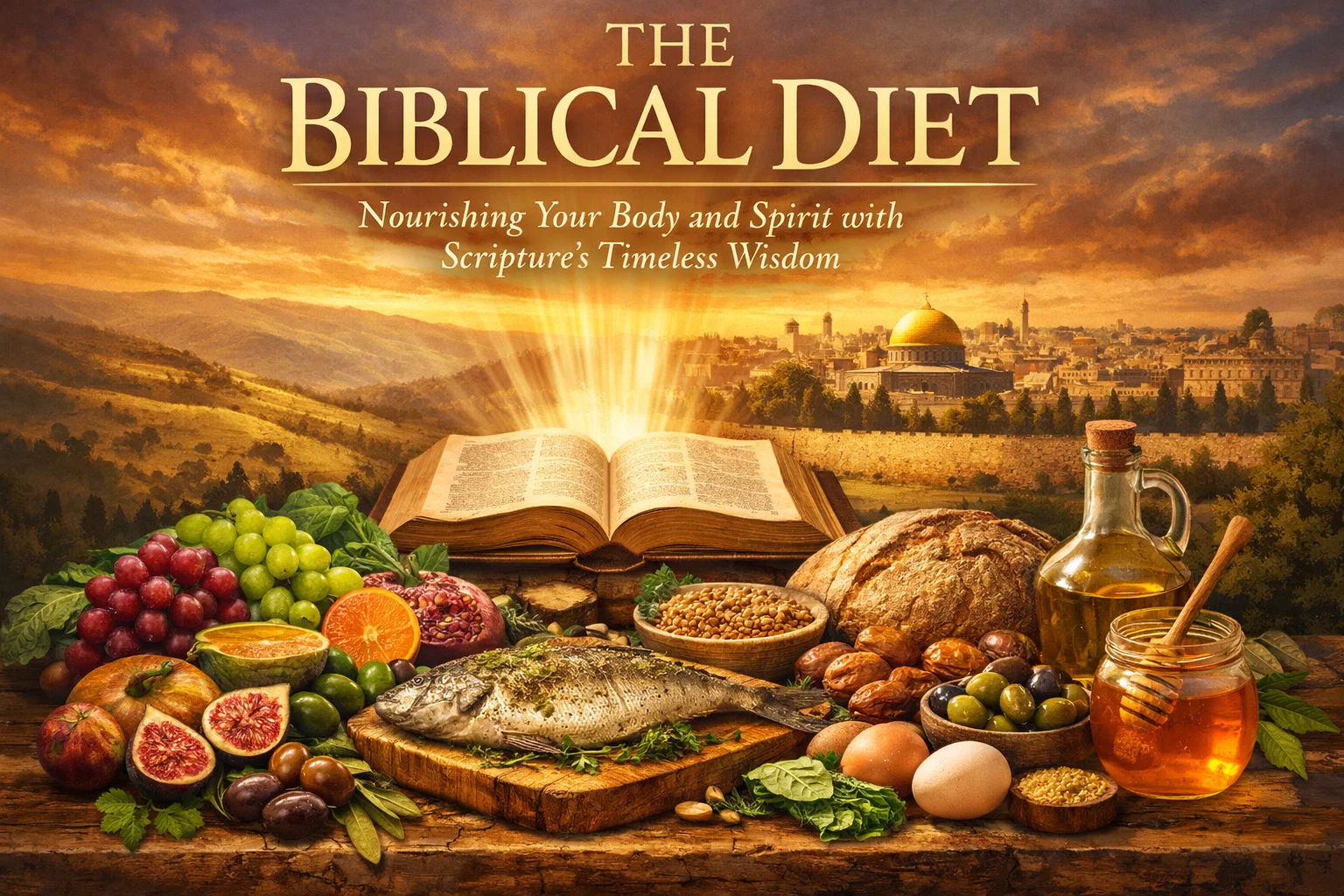
Have you ever paused during a meal and wondered if the food on your plate aligns with the wisdom found in the pages of the Bible? The biblical diet invites us to explore eating habits rooted in Scripture, blending practical nutrition with spiritual meaning. Far from a rigid set of restrictions, this approach celebrates the abundant, natural foods God provided for His people throughout history.
From the lush gardens of Eden to the simple meals shared by Jesus and His disciples, the Bible is filled with references to wholesome ingredients that supported physical strength and communal bonds. Today, many people turn to the biblical diet seeking better energy, improved digestion, and a stronger connection to their faith. It emphasizes whole foods like fruits, vegetables, grains, clean proteins, and healthy fats while encouraging gratitude and moderation.
Adopting elements of the biblical diet doesn’t mean recreating ancient life exactly. Instead, it means making thoughtful choices that honor your body as a temple of the Holy Spirit. In this comprehensive guide, we’ll unpack the foundations, highlight key foods, discuss health advantages, and share practical tips to make scriptural eating work in your modern kitchen. Whether you’re new to faith-based nutrition or deepening an existing practice, you’ll find approachable insights to transform how you eat and live.
The beauty of the biblical diet lies in its balance. It draws from both the Old Testament’s detailed guidelines and the New Testament’s emphasis on freedom and gratitude. By focusing on foods mentioned in Scripture, you tap into a time-tested way of eating that promotes vitality without obsession over calories or trends. Let’s dive deeper into what makes this approach so compelling and how it can enrich your daily life.
Understanding the Foundations of the Biblical Diet
The biblical diet begins in Genesis, where God creates a perfect world and provides plant-based nourishment. In Genesis 1:29, the Creator declares that every seed-bearing plant and fruit tree is given as food for humanity. This original plan highlights vibrant produce, nuts, seeds, and grains—foods that remain nutritional powerhouses today.
As humanity’s story progresses through the flood and into the wilderness wanderings, the diet expands to include clean meats. Yet the core principle stays consistent: eat from what God has generously supplied in nature. The biblical diet encourages us to view food not merely as fuel but as a daily reminder of divine care and provision.
This foundation fosters a mindset of stewardship. When you choose ingredients celebrated in Scripture, you participate in a tradition that spans thousands of years. Many who follow the biblical diet report feeling more mindful during meals, pausing to give thanks and savor the flavors that reflect God’s creativity. It shifts eating from a rushed task to a meaningful act of worship.
The principles also promote simplicity. Ancient Israelites relied on seasonal, locally available foods grown in the Mediterranean climate—olives, grapes, figs, barley, and lentils. These choices naturally lead to a diet rich in fiber, antioxidants, and healthy fats. In our fast-paced world, returning to these basics can help combat the fatigue and inflammation often linked to highly processed foods.
Exploring these foundations reveals that the biblical diet is flexible and grace-filled. It invites you to experiment with recipes inspired by Scripture while listening to your body’s needs and seeking God’s guidance in prayer.
The Shift from Plants to Including Clean Meats
Early biblical eating centered on plants, but post-flood permission to eat meat introduced clean options under specific guidelines. This evolution shows God’s adaptability to human circumstances while maintaining protective boundaries for health and holiness.
Clean meats in the biblical diet come from animals that chew the cud and have split hooves, such as lamb, goat, cattle, and deer. These provided high-quality protein and essential nutrients to sustain active lifestyles in biblical times. Fish with scales and fins, like those Jesus multiplied or shared with His disciples after the resurrection, also feature prominently.
The inclusion of these proteins added variety and satiety without compromising the emphasis on wholesomeness. Many modern followers of the biblical diet appreciate how this balance supports muscle health, hormone function, and sustained energy. Grass-fed or pasture-raised versions align especially well with the natural rearing methods implied in Scripture.
This shift also carries spiritual lessons. Meat appears in celebratory meals, sacrifices, and fellowship, reminding us that food strengthens relationships and marks significant moments. In the biblical diet, proteins serve as part of a broader picture of joyful, grateful living rather than the main focus.
Understanding this transition helps avoid extremes. The biblical diet isn’t strictly vegetarian or carnivorous but a harmonious mix that reflects different seasons of life and faith. It encourages moderation and appreciation for all God’s provisions.
Clean and Unclean Foods: A Guide from Leviticus and Deuteronomy
Leviticus 11 and Deuteronomy 14 provide clear instructions that form a cornerstone for many who follow the biblical diet. These chapters distinguish clean from unclean animals, offering practical wisdom that many interpret as beneficial for physical health as well as ceremonial purity.
For land animals, the criteria are straightforward: they must both chew the cud and have fully divided hooves. Examples include cows, sheep, goats, and various deer species. These animals typically graze on plants, resulting in leaner, nutrient-dense meat when raised naturally.
In the water, only creatures with fins and scales qualify as clean. Think salmon, trout, cod, and sardines—rich in omega-3 fatty acids that support heart and brain health. Shellfish and bottom-feeders like shrimp or catfish fall into the unclean category, which some link to higher risk of contaminants in ancient (and sometimes modern) waters.
Birds of prey and scavengers are generally unclean, while domesticated fowl like chickens, turkeys, and doves are widely accepted as suitable. Certain insects, such as locusts, are permitted, though rarely consumed today.
Here’s a helpful reference table for quick guidance:
| Category | Clean Examples | Unclean Examples |
|---|---|---|
| Land Animals | Cow, sheep, goat, deer | Pig, rabbit, camel, horse |
| Seafood | Salmon, tuna, cod, sardines | Shrimp, lobster, clams, catfish |
| Birds | Chicken, turkey, dove, quail | Eagle, vulture, owl, hawk |
| Insects | Locusts, grasshoppers | Most other flying insects |
This framework in the biblical diet helps prioritize foods less likely to harbor certain parasites or toxins, based on ancient understanding that aligns with some current scientific insights. Many people today adopt these guidelines not out of legalism but because they experience better digestion and overall wellness.
The New Testament offers additional perspective, with Jesus focusing more on the heart behind eating than ritual purity alone. Yet the practical wisdom of choosing clean foods continues to inspire health-conscious believers seeking to honor both body and faith.
Plant-Based Foods in the Bible: Fruits, Vegetables, and Grains
Plants dominate the biblical food landscape, starting from Eden and continuing as staples for everyday meals. The biblical diet celebrates this abundance, encouraging generous portions of fruits, vegetables, legumes, and whole grains for their fiber, vitamins, and disease-fighting compounds.
Fruits such as figs, pomegranates, grapes, dates, and olives provided natural sweetness and essential nutrients. Figs offer digestive support and energy, while pomegranates burst with antioxidants that combat inflammation. Grapes and their byproducts, including raisins and wine in moderation, supplied hydration and heart-healthy compounds.
Vegetables and legumes like lentils, beans, cucumbers, leeks, onions, and garlic formed the backbone of hearty stews and daily sustenance. Daniel and his friends thrived on vegetables and water, demonstrating the power of simple plant foods for physical and mental clarity. These ingredients deliver protein, fiber, and prebiotics that nurture gut health.
Grains such as barley, wheat, millet, and spelt were ground into flour for bread—the most common food in biblical times. Ezekiel 4:9 even describes a nourishing bread recipe combining multiple grains and legumes for complete nutrition. Sprouting or fermenting these grains, as was common, improves digestibility and nutrient absorption.
Incorporating these plant-based foods into the biblical diet today is straightforward and delicious. Start your day with a bowl of fresh fruit and nuts, enjoy lentil stew for lunch, or bake homemade flatbread to accompany dinner. The variety keeps meals exciting while delivering steady energy and supporting long-term wellness.
The Power of Bread and Grains in Biblical Life
Bread held such importance in Scripture that it symbolized God’s provision and even spiritual truth, with Jesus calling Himself the “bread of life.” In the biblical diet, whole-grain breads and porridges from barley, wheat, millet, and spelt provide complex carbohydrates for sustained energy.
Ancient bread was often unleavened during certain feasts or made with sourdough starters that enhanced digestibility. The famous Ezekiel bread combined wheat, barley, beans, lentils, millet, and spelt—a nutrient-packed blend that offers complete protein when properly prepared.
Grains in the biblical diet support stable blood sugar, digestive regularity, and B-vitamin intake when chosen as whole forms rather than refined. They pair beautifully with vegetables, herbs, and olive oil for satisfying, balanced meals.
Baking or purchasing sprouted-grain options allows modern followers to enjoy this staple while maximizing nutritional benefits. Sharing bread around the table also echoes the fellowship seen throughout Scripture, turning ordinary meals into moments of connection and gratitude.
Fruits of the Promised Land: Pomegranates, Figs, Grapes, and More
The Bible frequently praises the fruits of the land as signs of blessing and abundance. Pomegranates, with their jewel-like seeds, symbolize fertility and joy while delivering potent antioxidants. Figs provide natural sweetness and fiber, appearing in both everyday meals and significant stories like the cursing of the barren fig tree.
Grapes and their derivatives—fresh, dried as raisins, or fermented into wine—feature prominently in celebrations and daily life. Dates offered portable energy for travelers and warriors. Olives and olive oil, often called liquid gold, served multiple purposes from cooking to anointing.
These fruits in the biblical diet contribute vibrant colors, flavors, and protective plant compounds. Eating them seasonally or incorporating them into salads, smoothies, and desserts brings joy and nutrition. A simple snack of figs and almonds or a pomegranate sprinkled over greens can transform an ordinary day into one filled with scriptural reminders of God’s goodness.
Olives and Olive Oil: The Liquid Gold of Scripture
Olive trees thrived in the biblical landscape, and their oil was used for cooking, lamps, medicine, and religious rituals. Extra-virgin olive oil remains a cornerstone of the biblical diet thanks to its monounsaturated fats and anti-inflammatory polyphenols.
Drizzling olive oil over vegetables, dipping bread in it, or using it to sauté clean meats enhances flavor while supporting heart health. Its stability for cooking makes it practical for everyday use. The biblical diet encourages generous but mindful amounts, mirroring how olives represented prosperity and anointing in Scripture.
Fish and Seafood in the Biblical Diet
Fish appears repeatedly in positive contexts, from the miraculous catches of the disciples to the meals Jesus shared. Only scaled and finned varieties qualify as clean, providing lean protein and beneficial omega-3s that reduce inflammation and support brain function.
Grilled fish with herbs, baked fillets with olive oil and garlic, or simple stewed preparations fit seamlessly into the biblical diet. These options deliver essential nutrients while evoking the waters where Jesus walked and taught.
Meats and Proteins: Lamb, Goat, and Clean Choices
Lamb and goat feature in many biblical feasts and sacrifices, offering tender, flavorful meat when sourced responsibly. Beef from cattle and venison from clean wild game add variety. The biblical diet favors these over unclean options for their nutrient profile and alignment with scriptural guidelines.
Preparing meats simply—roasted with herbs, stewed with vegetables, or grilled—preserves their benefits and honors the straightforward cooking methods of the time. Moderation keeps the focus on balance and gratitude.
Dairy, Honey, and Natural Sweeteners
Goat milk, cheese, curds, and butter provided calcium and probiotics in biblical diets. Raw honey, praised for its healing properties, served as a natural sweetener and medicine. The biblical diet includes these in moderation for their nutritional value and delightful taste.
A drizzle of honey over fruit or a bit of cheese with grapes creates satisfying treats that echo scriptural descriptions of the land flowing with milk and honey.
Beverages: Water, Wine, and Herbal Options
Water was the primary drink, essential for life and often miraculously provided. Wine appears in celebration and as a symbol of joy, though Scripture warns against excess. Herbal infusions and diluted wines offered variety.
In the biblical diet, prioritizing water while enjoying moderate wine or fresh juices supports hydration and mindful enjoyment.
The Daniel Fast: A Special Biblical Eating Plan
The Daniel Fast, drawn from the prophet’s choices in Daniel 1 and 10, emphasizes vegetables, fruits, whole grains, legumes, nuts, and seeds while avoiding meats, sweets, and rich foods. Many undertake it for 10, 21, or 40 days as a time of prayer and seeking God.
Participants often experience clearer thinking, improved energy, and spiritual breakthroughs alongside physical benefits like weight management and reduced inflammation. Simple meals—such as vegetable stir-fries, bean soups, or fruit smoothies—make the fast sustainable and nourishing.
This practice within the biblical diet demonstrates the power of disciplined, plant-focused eating for both body and spirit.
Health Benefits of Following a Biblical Diet
Followers of the biblical diet frequently report easier weight management, steadier energy levels, better digestion, and reduced inflammation. The emphasis on whole, unprocessed foods supplies antioxidants, fiber, healthy fats, and quality proteins that support immune function, heart health, and mental clarity.
The anti-inflammatory nature of many biblical foods, combined with the avoidance of highly processed items, may help lower risks for chronic conditions. The Daniel Fast, in particular, has shown benefits in studies for blood pressure, cholesterol, and insulin sensitivity.
Beyond the physical, the biblical diet fosters gratitude, mindfulness, and community around meals, contributing to overall well-being. It aligns eating with faith, turning nourishment into an act of worship.
Potential Challenges and How to Overcome Them
Adapting to the biblical diet can involve adjusting to new shopping habits, explaining choices to family, or finding suitable options when dining out. Cost of quality ingredients and time for preparation are common hurdles.
Practical solutions include starting gradually, batch-cooking staples like lentil stew or Ezekiel-style bread, and focusing on affordable seasonal produce. Community support through faith groups or online resources helps sustain motivation. Remember, grace and progress matter more than perfection.
Creating a Biblical Diet Meal Plan
A sample day might begin with fruit, nuts, and honey-sweetened porridge. Lunch could feature lentil soup with vegetables and flatbread drizzled in olive oil. Dinner might include grilled fish or lamb with roasted produce and fresh herbs.
Weekly planning around clean proteins, abundant plants, and simple preparations keeps the biblical diet sustainable and enjoyable. Flexibility allows for personal preferences and seasonal availability.
Biblical Recipes to Try at Home
Try a hearty lentil stew inspired by Esau’s meal: simmer lentils with onions, garlic, herbs, and olive oil. Or bake a version of Ezekiel bread using a mix of whole grains and legumes for a nutrient-dense loaf.
Grilled fish with pomegranate salsa or roasted vegetables tossed in olive oil and honey offer easy, flavorful options. These recipes connect you directly to the flavors and stories of Scripture.
Integrating the Biblical Diet with Your Faith Journey
The biblical diet shines when paired with prayer, Scripture reading, and fellowship. Giving thanks before meals, fasting periodically, and sharing food with others deepen the spiritual dimension. It becomes a practical way to live out “whether you eat or drink or whatever you do, do it all for the glory of God” (1 Corinthians 10:31).
Common Myths About the Biblical Diet
Some assume the biblical diet is overly restrictive or only for certain denominations. In reality, it offers freedom within wise boundaries and suits diverse lifestyles. Others think it demands perfection; instead, it encourages joyful, consistent choices that honor both health and faith.
Quote: “Man shall not live on bread alone, but on every word that comes from the mouth of God.” (Matthew 4:4) This reminds us that physical food supports but does not replace spiritual sustenance.
Conclusion
The biblical diet offers more than a way to eat—it provides a pathway to greater health, mindfulness, and intimacy with God. By embracing the wholesome foods celebrated in Scripture, you nourish your body while feeding your soul with timeless truths. Start small, stay consistent, and watch how simple, faith-filled choices can transform your well-being.
Whether you incorporate clean proteins, load up on biblical fruits and vegetables, or try the Daniel Fast, the journey honors the Creator who designed both your body and the bounty that sustains it. May your table become a place of gratitude, health, and joyful connection as you walk out the principles of the biblical diet in your everyday life.
What is the biblical diet exactly?
The biblical diet refers to an eating approach inspired by the foods and principles described throughout Scripture. It emphasizes natural, whole foods such as fruits, vegetables, whole grains, legumes, nuts, seeds, clean meats (like lamb, goat, and fish with scales), olive oil, and honey. Many followers also consider the clean/unclean distinctions in Leviticus while focusing on gratitude, moderation, and viewing meals as opportunities for worship. It is not a strict modern diet plan but a flexible, faith-centered lifestyle that promotes physical health and spiritual growth.
Are Christians required to follow the clean and unclean food laws today?
Opinions vary among believers. The Old Testament provides detailed guidelines in Leviticus and Deuteronomy, but the New Testament, including Jesus’ teachings in Mark 7 and Peter’s vision in Acts 10, emphasizes that food does not make a person unclean before God. Many Christians view the laws as fulfilled in Christ and focus instead on freedom, health, and conscience. Others choose to follow the clean distinctions for health reasons or cultural heritage. In the biblical diet, the emphasis is usually on positive choices rather than rigid rules.
What are some key health benefits associated with the biblical diet?
The biblical diet tends to be rich in fiber, antioxidants, healthy fats, and quality proteins from whole foods. Followers often experience better digestion, steadier energy, reduced inflammation, improved heart health, and easier weight management. The emphasis on plants and avoidance of heavily processed items supports gut health and may lower risks for chronic conditions. Practices like the Daniel Fast have been linked to benefits in blood pressure, cholesterol levels, and insulin sensitivity in various studies.
How can someone begin following the biblical diet without feeling overwhelmed?
Start gradually by adding more biblical foods like olives, pomegranates, lentils, figs, and whole-grain breads while reducing processed items. Focus on one or two meals a day at first, such as a vegetable-rich lunch or a simple dinner with clean protein and olive oil. Pray for guidance, experiment with recipes inspired by Scripture, and remember grace is key. Shopping for seasonal produce and batch-cooking staples like soups or flatbreads makes the transition smoother and more sustainable.
What is the relationship between the Daniel Fast and the biblical diet?
The Daniel Fast is a specific, temporary plant-based eating plan drawn from the prophet Daniel’s choices in Scripture. It aligns closely with the biblical diet by focusing on vegetables, fruits, whole grains, legumes, nuts, and seeds while avoiding meats, sweets, dairy, and rich foods. Many use it as a dedicated period of prayer and fasting within a broader biblical eating lifestyle. It demonstrates how simple, scriptural foods can support both physical detoxification and spiritual clarity.
Can the biblical diet include wine or alcohol?
Wine appears in the Bible in both positive (celebration, symbolism) and cautionary contexts. In the biblical diet, any inclusion is typically in moderation or avoided, depending on personal conviction and health considerations. Many opt for fresh grape juice or herbal drinks instead, prioritizing water as the primary beverage while using wine sparingly, if at all, to align with principles of self-control and wisdom.
