


If you’ve ever glanced at your dashboard and spotted the traction control light glowing back at you, you might have wondered what exactly it’s trying to tell you. That little icon—often looking like a car with squiggly lines behind the tires or simply “TC”—isn’t just there for decoration. It’s a key player in your vehicle’s safety lineup, designed to keep you grounded, literally, when the road gets tricky.
The traction control light serves as an indicator for your car’s traction control system (TCS), a smart feature that helps prevent your wheels from spinning out of control during acceleration, especially on slippery surfaces like wet pavement, ice, or gravel. When it’s working right, this system kicks in seamlessly to maintain grip and stability. But when the traction control light comes on unexpectedly or stays illuminated, it could mean anything from the system actively doing its job to signaling a potential issue that needs attention. Understanding this light can save you from headaches down the road and keep your drives safer.
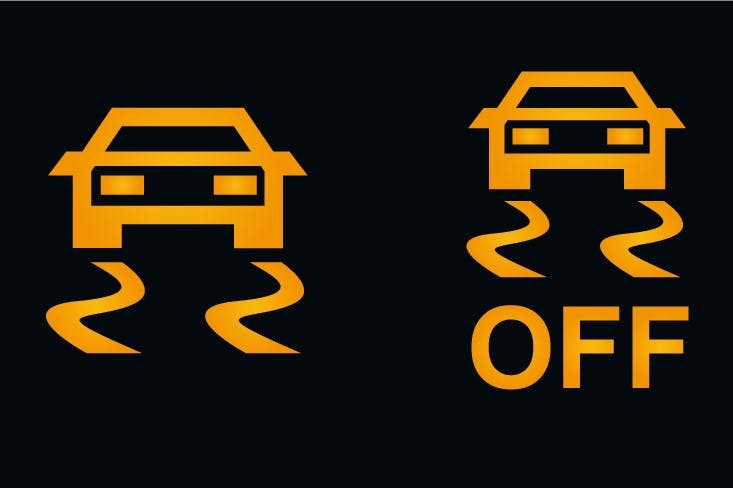
What Is Traction Control and How Does It Work?
Traction control isn’t some fancy add-on reserved for high-end sports cars—it’s a standard safety feature in most modern vehicles, and for good reason. At its core, the traction control system monitors your wheels to detect when one or more are spinning faster than the others, which typically happens when you’re losing grip on the road.
The system relies on wheel speed sensors located at each wheel, which constantly feed data to your car’s computer. If it senses slip—say, during hard acceleration on a rainy day—it steps in quickly by either applying brakes to the slipping wheel or reducing engine power (or both) to redistribute torque to the wheels with better traction. This all happens in milliseconds, often before you even notice the slip.
Think of it as an invisible co-pilot that helps you maintain control without overcorrecting. In everyday driving, you might feel a slight pulsation or hear a subtle noise when it activates, but that’s just it working to keep things steady.
Traction control has evolved a lot over the years. Early versions in the 1970s and 1980s were pretty basic, often just cutting engine spark to slow spinning wheels. Today’s systems are far more sophisticated, integrating with other features like anti-lock brakes (ABS) for smoother operation.
The Traction Control Light: Normal Behavior vs. Warning Signs
Seeing the traction control light isn’t always bad news. In fact, it’s completely normal for it to flash briefly when the system is actively engaging, like when you’re pulling away from a stop on a slick surface. That quick blink means everything is functioning as it should—your car is detecting potential slip and correcting it on the fly.
However, if the traction control light stays on solidly while you’re driving under normal conditions, that’s when you should pay closer attention. A constant illumination often indicates the system has detected a fault and disabled itself, meaning you’re no longer getting that extra layer of help with traction.
Sometimes the light comes on during startup as part of the vehicle’s self-check, glowing for a second or two before going out. If it doesn’t turn off after that, or if it pops up randomly without slippery roads involved, it’s likely pointing to an underlying problem.
Common Causes Why the Traction Control Light Comes On
One of the most frequent culprits behind a persistent traction control light is a faulty wheel speed sensor. These sensors are crucial because they tell the system how fast each wheel is turning. If one gets dirty, damaged, or fails—often from road debris, corrosion, or wear—the computer can’t accurately monitor traction, triggering the light.
Wiring issues or bad connections in the sensor harness can mimic a sensor failure too. Since these components live near the wheels, they’re exposed to harsh conditions like water, salt, and potholes, making them prone to problems over time.
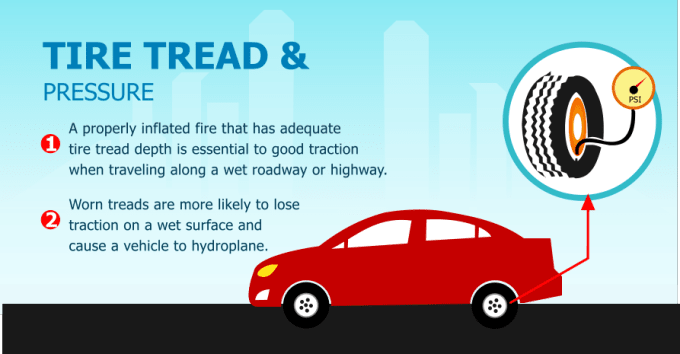
Another common trigger is low tire pressure or uneven tire wear. Your traction control system expects all tires to behave similarly; mismatched pressures or tread depths can confuse it, leading to false alerts.
In some cases, the traction control light might accompany the ABS light because the two systems share many parts. A glitch in the ABS module or even low brake fluid could cascade into traction issues.
Less commonly, steering angle sensors, bad wheel bearings, or even a failing control module can set off the light. And if you’ve recently replaced tires or rotated them without recalibrating, that might throw things off temporarily.
“A faulty wheel speed sensor is by far the most common reason for the traction control light to stay on—it’s like the system’s eyes going blind on one wheel.” – Auto repair expert insight from common diagnostic reports.
Is It Safe to Drive with the Traction Control Light On?
Short answer: Yes, in most cases, but with some caveats. If the traction control light is on because the system is disabled due to a fault, your car will still drive normally under dry, clear conditions. You’ll just be relying on your own driving skills for traction management, like in older cars without these features.
That said, it’s not ideal to ignore it long-term. Without active traction control, you’re more vulnerable in slippery situations—rain, snow, or loose gravel—where wheel spin could lead to loss of control.
If the light is flashing intermittently during normal driving, that’s usually the system working, so it’s safe. But a solid light means reduced safety net, especially if paired with ABS warnings. Drive cautiously, avoid aggressive acceleration, and get it checked soon.
Many drivers continue daily commutes fine with the light on, but pros recommend addressing it promptly to restore full safety features.
Traction Control vs. Electronic Stability Control: Key Differences
People often mix up traction control and electronic stability control (ESC), but they’re related yet distinct. Traction control focuses mainly on preventing wheel spin during acceleration, keeping you moving forward without slipping.
Electronic stability control builds on that by helping maintain directional control during turns or evasive maneuvers. It uses additional sensors—like yaw rate and steering angle—to detect if your car is sliding sideways (understeer or oversteer) and applies brakes individually to correct the path.
In essence, traction control is great for straight-line grip, while ESC shines in corners or sudden swerves. Most modern cars bundle them together under ESC mandates, with traction control as a subset.
Here’s a quick comparison table:
| Feature | Traction Control (TCS) | Electronic Stability Control (ESC) |
|---|---|---|
| Primary Focus | Prevents wheel spin on acceleration | Corrects skids and maintains direction |
| When It Activates | Slippery starts or hard throttle | Turns, swerves, or loss of lateral grip |
| Sensors Used | Mainly wheel speed | Wheel speed + yaw, steering angle |
| Intervention | Brake slipping wheel, reduce power | Selective braking, possible throttle cut |
| Can Be Turned Off? | Often yes | Usually partial or not recommended |
How to Diagnose and Fix a Traction Control Light Issue
Start simple: Pull over safely, turn off the engine, wait a minute, and restart. Sometimes a temporary glitch causes the traction control light, and this resets it.
Next, check your tire pressures—all should match the door sticker specs. Uneven pressures are an easy fix that might turn the light off.
For deeper diagnosis, you’ll need an OBD-II scanner to read fault codes. These tools are affordable and plug under the dash; codes like C0131 or U0121 often point to specific sensors.
Common fixes include cleaning or replacing wheel speed sensors (around $100-300 per wheel, including labor), repairing wiring, or addressing ABS module issues.
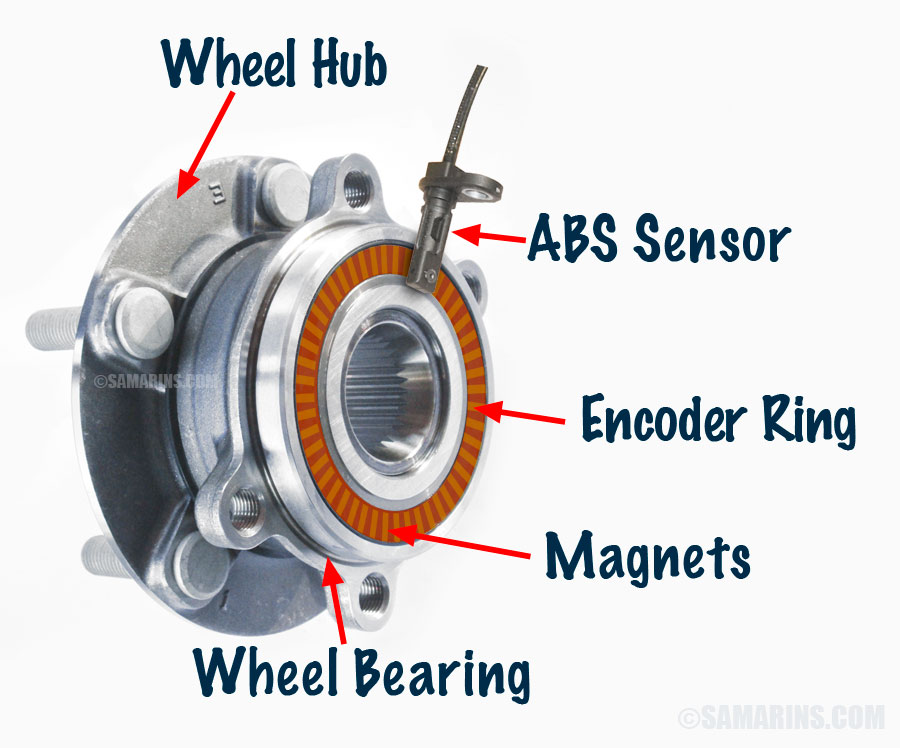
If it’s a steering sensor or module, costs can climb to $500+, so professional help is wise.
When to Turn Off Traction Control and Why
Most of the time, leave it on—it’s there for safety. But there are scenarios where disabling traction control makes sense.
Getting stuck in deep snow or mud? Turning it off allows wheels to spin freely, helping dig or rock out. Some cars have a button for this; hold it for a few seconds.
Performance driving on a track? Pros often disable it for full control, but on public roads, it’s risky and not recommended.
In rare cases, like using tire chains, off might prevent interference.
Preventive Maintenance to Avoid Traction Control Problems
Regular tire rotations, alignments, and pressure checks go a long way in keeping the system happy. Clean wheels and sensors during washes to remove grime buildup.
Stay on top of brake maintenance—since TCS ties into ABS, healthy brakes mean reliable traction help.
Annual inspections can catch wiring wear early, especially in salty winter regions.
Driving smoothly—avoiding sudden throttle bursts—reduces strain on the system too.
Conclusion
The traction control light is more than just a dashboard nuisance; it’s a vital signal from your car’s safety systems, helping you stay in control when conditions get dicey. Whether it’s flashing to show it’s working or staying on to warn of a fault, paying attention to it can prevent bigger issues and keep you safer on the road.
While many causes are straightforward fixes like sensor cleaning or tire adjustments, don’t hesitate to consult a mechanic for persistent problems. Modern vehicles are packed with tech to assist us, and maintaining features like traction control ensures you’re getting the full benefit. Drive smart, stay aware of your lights, and enjoy the confidence that comes with a well-functioning system.
Frequently Asked Questions
What does it mean when the traction control light flashes?
A flashing traction control light usually means the system is actively engaged, detecting wheel slip and working to correct it. This is normal on slippery roads and indicates everything is functioning properly—no immediate action needed beyond cautious driving.
Why is my traction control light on after changing tires?
New or rotated tires can temporarily confuse wheel speed sensors due to slight differences in diameter or pressure. Check and adjust tire pressures, drive gently for a few miles, or restart the car. If the traction control light persists, a recalibration or sensor check might be required.
Can low battery cause the traction control light to come on?
Yes, a weak or recently replaced battery can trigger the traction control light due to voltage fluctuations affecting the system’s computer. Drive normally for a bit after charging or replacing; the light often resets itself as the system stabilizes.
Is it okay to drive with the traction control light on in dry weather?
Generally yes, as the car drives normally without the system. However, the traction control light means reduced assistance in potential slippery spots, so drive defensively and get it diagnosed soon for full safety.
How much does it cost to fix a traction control light issue?
Costs vary widely: $50-150 for simple sensor cleaning or tire fixes, $200-400 for a wheel speed sensor replacement, up to $1,000+ for module or complex wiring repairs. Diagnostic scans start around $100.
Does the traction control light affect gas mileage or performance?
A faulty system might slightly reduce efficiency if it’s causing engine power cuts unnecessarily, but usually not noticeably. More importantly, with the traction control light on, performance in low-grip situations suffers without the system’s help.
