


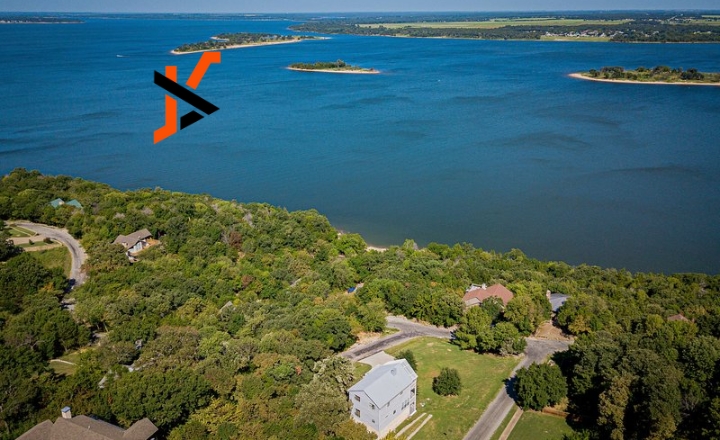
When you sit down to write about one of the largest reservoirs in the United States, straddling the border between Texas and Oklahoma, a seemingly small grammatical detail can become a point of significant importance. The question isn’t just about ink on paper or pixels on a screen; it’s about respect, recognition, and geographical accuracy. The simple, unequivocal answer is that Lake Texoma should be capitalized. This isn’t a matter of stylistic preference but a fundamental rule of the English language. Proper nouns, which are the unique names given to specific people, places, or things, always require a capital letter. Lake Texoma is not just any lake; it is a distinct entity with a proper name, a landmark of immense regional importance, and a title deserving of its capital “L” and “T.”
Beyond the grammar, understanding why Lake Texoma should be capitalized opens the door to appreciating the lake itself. This isn’t a minor quibble but a reflection of the lake’s stature. Think of other iconic landmarks: you wouldn’t write “mount rushmore” or “grand canyon.” Capitalizing “Lake Texoma” places it correctly in the same category as these other American treasures, acknowledging its unique identity. It signifies that we are referring to the specific reservoir created by the Denison Dam on the Red River, not a generic, unnamed body of water. Getting the capitalization right is the first step in telling the story of this incredible destination, a story filled with engineering marvels, world-record fish, and countless family memories made along its sprawling shores.
The Grammatical Rule Behind Proper Nouns
To fully grasp why Lake Texoma should be capitalized, we need to delve into the foundational rules of grammar. In English, we distinguish between common nouns and proper nouns. Common nouns are general words for people, places, or things, like “lake,” “city,” or “doctor.” These are only capitalized at the beginning of a sentence. Proper nouns, on the other hand, are the specific, official names assigned to those people, places, or things. “Lake Michigan,” “New York City,” and “Doctor Smith” are all examples where the specific title is capitalized. The word “lake” in “Lake Texoma” is an integral part of the proper noun itself. It’s not a descriptive tag but a component of the official name, just as “River” is part of “Mississippi River” or “Mount” is part of “Mount Everest.”
This rule remains consistent across all writing contexts, from academic papers and official government documents to journalism and casual travel blogs. The Associated Press (AP) Stylebook, the Chicago Manual of Style, and every other major style guide unanimously agree on this principle. When you use the full, formal name of a geographical feature, you capitalize every significant word in that name. Therefore, to write with accuracy and professionalism, one must always remember that Lake Texoma should be capitalized. Ignoring this rule is more than a typo; it’s a grammatical error that can confuse readers and diminish the perceived authority of the writing. It inadvertently reduces a specific, renowned landmark to a generic category.
The Historical Significance of Lake Texoma
The history of Lake Texoma is a tale of human ingenuity triumphing over natural adversity, and its proper name is a testament to that legacy. The concept for the lake was born from the devastating floods that periodically ravaged the Red River Valley, particularly the great flood of 1908. For decades, communities lived in fear of the river’s unpredictable power. The solution, envisioned by the U.S. Army Corps of Engineers, was ambitious: a massive dam that would tame the Red River, provide hydroelectric power, and create a vast reservoir for water supply and recreation. Construction on the Denison Dam began in 1939 and was completed in 1944, a monumental effort that forever changed the landscape and the lives of people in both Texas and Oklahoma.
The name “Texoma” itself is a portmanteau, brilliantly combining “Texas” and “Oklahoma.” This name perfectly captures the essence of the reservoir, which seamlessly straddles the border between these two states. To not capitalize this carefully chosen, historically significant name is to overlook the intent and the collaboration between two states that its creation represented. The formation of the lake submerged the town of Preston, Texas, a sacrifice that is still remembered today. When we assert that Lake Texoma should be capitalized, we are honoring this rich history—the engineers who designed it, the workers who built it, and the communities that were transformed by its creation. It is a mark of respect for the past.
The naming of Lake Texoma was a deliberate act, symbolizing the unity of two states in a massive public works project. Capitalizing its name honors that intention.
Lake Texoma as a Premier Fishing Destination
If there is one thing that has solidified Lake Texoma’s reputation on a national scale, it is its world-class fishery. The lake is famously known as the “Striper Capital of the World,” a title it has earned and held for decades. The striped bass, or striper, is a saltwater fish that was successfully introduced into the freshwater of Lake Texoma, where it thrived beyond anyone’s expectations. The lake’s unique conditions, including its large size and abundant shad population, provide an ideal habitat for stripers to grow to impressive sizes. Anglers from all over the United States flock to its waters for a chance to hook into a trophy-sized fish, with many guides specializing in striper fishing trips that promise an exhilarating experience.
The economic and recreational impact of this fishery cannot be overstated. It supports a multi-million dollar industry comprising marinas, bait and tackle shops, fishing guides, hotels, and restaurants. The consistent success of the striper population is a result of careful management and conservation efforts by wildlife agencies in both Texas and Oklahoma. When writing about this angling paradise, ensuring that Lake Texoma should be capitalized is akin to giving credit where credit is due. It distinguishes this specific, striper-rich reservoir from any other lake that might have fish. For the fishing community, the capitalized name “Lake Texoma” carries a weight of prestige and promise, symbolizing the ultimate destination for their passion.
The Economic and Recreational Powerhouse
The influence of Lake Texoma extends far beyond the end of a fishing line. It is a veritable economic engine for North Texas and Southern Oklahoma. Annually, the lake draws millions of visitors who contribute significantly to the local economies of surrounding cities like Denison, Texas; Durant, Oklahoma; and Pottsboro, Texas. These visitors don’t just come for the day; they stay in vacation rentals, eat at local restaurants, and purchase supplies from area businesses. The lake is the cornerstone of the regional tourism industry, supporting thousands of jobs and generating substantial tax revenue. Its value as a recreational asset is intrinsically linked to its economic vitality, creating a cycle of investment and enjoyment.
The range of activities available on and around the lake is staggering. Boating enthusiasts enjoy the vast, open waters, with several full-service marinas offering rentals and slip services. Houseboating is a particularly popular way for families to vacation, providing a floating home base for swimming, sunbathing, and exploring secluded coves. Several state parks and wildlife management areas, including Eisenhower State Park in Texas and Lake Texoma State Park in Oklahoma, provide camping, hiking, and picnicking facilities. The U.S. Army Corps of Engineers manages numerous parks and public use areas around the shoreline, ensuring ample access for the public. Referring to this hub of activity correctly by remembering that Lake Texoma should be capitalized acknowledges its role as a critical regional asset.
Common Capitalization Confusions and How to Avoid Them
Even with a clear understanding of the rules, confusion can sometimes arise in specific writing scenarios. A common point of uncertainty is when the word “lake” is used in a general sense after the proper name has already been established. For example, it is perfectly correct to write: “We spent the weekend at Lake Texoma. The lake was incredibly calm on Saturday morning.” In the first sentence, “Lake” is capitalized as part of the proper noun. In the second sentence, “lake” is lowercased because it is now being used as a common noun, referring back to the already-named body of water. This is a standard practice in English and helps maintain readability without sacrificing grammatical correctness.
Another area of confusion can be with compound names or when the common noun is used before the proper name in a more descriptive sense. For instance, you might see a phrase like “the Texoma lake region.” In this case, “lake” is not part of the official name and is used as a common noun to describe a geographic area; thus, it is not capitalized. However, when writing the full, formal name, the rule is absolute. Whether you are writing a brochure for a resort, a social media post about your fishing trip, or a historical account, the principle remains the same: Lake Texoma should be capitalized. Keeping this simple rule in mind ensures clarity and consistency in all your communications.
The Broader Impact of Correct Capitalization in Writing
Adhering to the rule that Lake Texoma should be capitalized is part of a larger commitment to writing with precision and credibility. In the digital age, where content is king, the quality of writing directly impacts how both readers and search engines perceive a website or publication. Search algorithms are sophisticated enough to understand context and semantics; consistent and correct use of proper nouns can contribute to a page’s Search Engine Optimization (SEO). When you consistently capitalize “Lake Texoma,” you are sending a clear signal about the topic and geographic specificity of your content, which can help it rank for relevant searches and appear more authoritative to users.
Furthermore, correct capitalization is a sign of attention to detail and respect for the subject matter. For businesses in the tourism and hospitality industry, it conveys professionalism and a deep connection to the locale. It shows that you value the destination enough to get its name right. For journalists and historians, it is a non-negotiable standard of accuracy. For the average person sharing a vacation photo, it’s a good habit that honors the place they enjoyed. In every case, taking the extra millisecond to hit the shift key for “L” and “T” reinforces the importance of Lake Texoma as a specific, valued landmark, not just a random body of water.
A Comparison of Key Fish Species in Lake Texoma
| Fish Species | Common Nickname | Status in the Lake | Notes for Anglers |
|---|---|---|---|
| Striped Bass | Striper | Thriving, self-sustaining population | The premier game fish; known for powerful fights and large size. |
| Largemouth Bass | Green Bass | Healthy and abundant | Found around structure and coves; popular for tournament fishing. |
| Smallmouth Bass | Bronzeback | Less common but present | Prefers rocky points and clearer water; a feisty fighter. |
| Blue Catfish | Channel Cat | Very abundant and large | Bottom feeder; known for reaching trophy sizes over 50 pounds. |
| Crappie | Specks or Slabs | Popular panfish | Often found around brush piles; a favorite for family fishing. |
| Sand Bass | White Bass | Seasonal runs are very popular | Schooling fish; provides fast-action fishing during spring runs. |
Exploring the Communities and Culture of the Texoma Region
The vibrant culture surrounding Lake Texoma is as much a part of its appeal as the water itself. Charming towns dot the shoreline, each with its own unique character and history. Denison, Texas, the birthplace of President Dwight D. Eisenhower, offers a glimpse into American history, while Durant, Oklahoma, boasts a rich Native American heritage as part of the Choctaw Nation, featuring the spectacular Choctaw Casino & Resort. These communities have grown in symbiosis with the lake, their identities inextricably linked to its presence. Festivals, events, and local cuisines often reflect the lake’s influence, from catfish fries to fishing tournaments that take over the town squares.
The culture is one of outdoor recreation and relaxation. Weekends see a migration of boaters, campers, and families creating traditions that are passed down through generations. The sound of laughter from a rented pontoon boat, the smell of a campfire at a lakeside campground, and the sight of a stunning sunset over the water are all part of the Texoma experience. This deep-seated cultural connection is another reason why insisting that Lake Texoma should be capitalized matters. It’s not just a grammatical formality; it’s a way of validating the shared identity and countless memories that have been built upon its shores. The name, properly capitalized, becomes a symbol of a lifestyle.
The Environmental and Conservation Story
The story of Lake Texoma is also one of ongoing environmental stewardship. The U.S. Army Corps of Engineers and various state agencies continuously monitor the lake’s health, managing water quality, shoreline erosion, and wildlife habitats. One of the most significant ecological challenges the lake has faced is the invasion of zebra mussels, a destructive invasive species that was first detected in 2009. This event led to widespread educational campaigns and new regulations for boaters to “Clean, Drain, and Dry” their vessels to prevent the spread to other waterways. This proactive approach highlights the importance placed on preserving the lake’s ecosystem for future generations.
Conservation efforts also extend to the land surrounding the lake. The Hagerman National Wildlife Refuge, located on the Big Mineral Arm of the lake, provides a critical sanctuary for migratory birds and other wildlife. With over 11,000 acres of marshes, forests, and grasslands, the refuge is a haven for birdwatchers, photographers, and nature lovers. These concerted conservation initiatives demonstrate that Lake Texoma is more than a recreational playground; it is a complex ecosystem that requires careful management and respect. When we write about these efforts and acknowledge that Lake Texoma should be capitalized, we are, in a small way, contributing to a culture of respect and awareness for this precious natural resource.
The clarity of its waters and the health of its fishery are not accidents. They are the result of dedicated conservation work that deserves our recognition and support.
Conclusion
The journey to understand why Lake Texoma should be capitalized reveals much more than a simple grammar lesson. It uncovers the history of a monumental engineering project, celebrates a world-renowned fishing destination, acknowledges an economic powerhouse, and honors a cherished cultural hub. Capitalizing “Lake Texoma” is a small but meaningful act of recognition. It correctly identifies this reservoir as the specific, important landmark that it is, distinguishing it from every other lake on the map. This practice ensures clarity in communication, projects professionalism and authority in writing, and, most importantly, shows respect for a place that holds deep significance for so many people. So, the next time you write about this incredible destination, remember the power of those two capital letters—they carry the weight of history, recreation, and a region’s identity.
Geekzilla T3: Your Ultimate Portal to a Thriving Tech Universe
Frequently Asked Questions
Why is it so important that Lake Texoma should be capitalized?
It is important because “Lake Texoma” is a proper noun, the official name of a specific geographical feature. Capitalizing it follows the fundamental rules of the English language and confers respect and recognition upon the lake. Just as you would capitalize “Mount Rainier” or “the Mississippi River,” the same rule applies here. Failing to do so is grammatically incorrect and can diminish the perceived importance and specificity of the landmark in your writing.
Are there any situations where “lake” in Lake Texoma would not be capitalized?
The only time “lake” would not be capitalized is when you are using it as a common noun after the full name has already been established. For example: “We love vacationing at Lake Texoma. The lake is always so peaceful in the morning.” In the first sentence, “Lake” is part of the proper name and is capitalized. In the second sentence, “lake” is a common noun referring back to the already-identified body of water and is therefore lowercased. The full, formal name always requires capitalization.
Does the rule that Lake Texoma should be capitalized apply to all lakes?
Yes, the rule applies to all lakes with a proper name. For instance, you write “Lake Superior,” “Lake Tahoe,” and “Lake Okoboji.” The word “lake” is always capitalized when it is an integral part of the official name. The only exception is in rare cases where a body of water is so famously known by a single name that “Lake” is often dropped in casual reference, like “Tahoe,” but even then, when the full name is used, it must be capitalized.
How does capitalizing Lake Texoma affect SEO for my website or blog?
Capitalizing “Lake Texoma” correctly can positively impact your SEO. Search engines like Google use sophisticated algorithms to understand content and context. Consistently using the properly capitalized name signals clarity and authority, helping search engines confidently associate your content with the specific location. This can improve your ranking for location-specific searches, such as “fishing at Lake Texoma” or “vacation rentals on Lake Texoma,” driving more targeted and relevant traffic to your site.
What is the biggest mistake people make regarding the name Lake Texoma?
The most common mistake is writing “lake Texoma” with a lowercase ‘l’. This error treats “lake” as a common noun descriptor rather than part of the official title. Another occasional error is misspelling the name itself, such as “Lake Texasoma” or “Lake Texoma.” Remembering that Lake Texoma should be capitalized in its entirety is the key to avoiding the most frequent grammatical error associated with writing about this destination.
